
Stories You Can Live In
Today we explore Designing Narrative Interiors with Local Artisan Craftwork, inviting you to shape rooms that carry voices, textures, and histories from nearby studios into everyday life. Expect practical guidance, candid stories from workshops that smell of wood shavings and wet clay, and ideas that respect budgets without silencing imagination. Walk with us through materials, collaboration, and meaning, then share your own experiments so others can learn, respond, and build kinder spaces that honor makers, neighbors, and the narratives we live inside.

Weaving Story into Space
Narrative interiors begin with questions: whose story is being told, what moments matter most, and which local hands can give those moments material form. By sequencing experiences across thresholds, light, and touch, you guide people through chapters rather than rooms. Meaning grows when you align function and feeling, letting crafted objects hold memory without becoming museum pieces. We will translate abstract intentions into arrangements, textures, and small rituals that support daily life while celebrating the people who made these possibilities tangible.

Collaborating with Local Makers
Partnerships flourish when expectations, respect, and timelines are transparent. Invite artisans early, not as vendors but as creative peers. Share constraints honestly—budget, durability, maintenance—so solutions arrive grounded, not compromised. Visit workshops to understand process rhythms and tooling limitations. Encourage pushback when an idea fights material truth. Pay fairly, credit publicly, and leave room for authorship where it matters. This is co-authored space: your brief frames the story, while skilled hands improvise details that make the narrative ring beautifully true.
Finding and Vetting Artisans
Start close: community markets, open studios, graduation shows, and whispers from contractors who know whose joints never squeak. Evaluate portfolios for consistency across similar scale, not just standout showpieces. Ask about lead times, finishing techniques, and repair philosophies. Request to hold samples under real light and run water or oil across them. A great fit will discuss failure modes comfortably. Choose relationships where you feel safe admitting ignorance and they feel safe suggesting better, locally grounded alternatives.
Co-Design Workshops
Sketch together over offcuts and clay scraps, not just PDFs. Bring tape to mock table footprints on floors, test heights with stacked blocks, and listen to bodies for ergonomic truths. Name the feeling you want—gather, pause, exhale—then let form emerge. Encourage artisans to bring ancestral motifs or practical construction tricks that unsnarl budgets. Document decisions with quick phone photos and annotated notes everyone can understand. Co-design is choreography: you set tempo, they riff, and the room dances with belonging.
Craft Techniques That Speak
Different techniques carry different voices. Handwoven textiles soften acoustics and invite touch, slip-cast ceramics add repetition with variation, and hand-turned wood introduces subtle asymmetry that feels alive. Natural dyeing links color to ecosystems, while hammered metals catch light like laughter. Choosing how objects are made is choosing how your story sounds in daily use. We’ll balance technique, scale, and maintenance so beautifully made pieces welcome real habits—coffee rings, bare feet, lively dinners—without fear or fuss.
Sustainable Choices, Local Roots
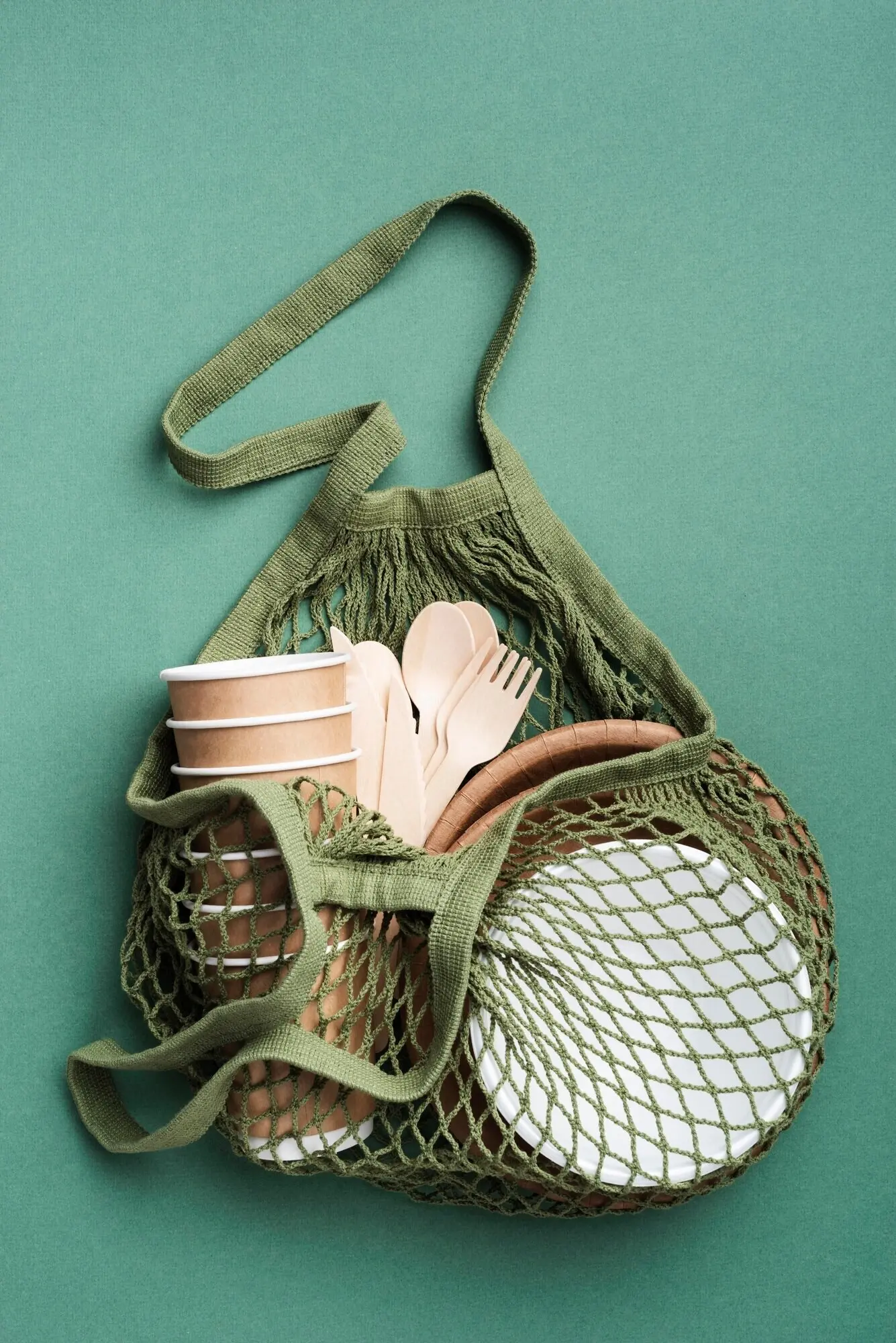
Sustainability begins with proximity and care. Shorter supply chains cut transport emissions and deepen accountability; skilled repair extends life far beyond warranties. Choose finishes you can refresh without specialized booths, prioritize modularity for moving days, and favor renewable or reclaimed sources where performance permits. Measuring impact needn’t be abstract—track weight, distance, and maintenance intervals. Most importantly, create emotional durability: people keep what they love. When craft tells a meaningful story, it stays, reducing waste more reliably than slogans.
Sourcing Within Reach
Map a radius and commit to it for major pieces. Ask mills about sawdust use and kilns about energy sources. Coordinate deliveries to consolidate trips and borrow crates rather than buying disposable packaging. Seasonal availability may influence palette; embrace it like produce. Local stone offcuts can become thresholds; surplus tiles may pattern a pantry. The constraint pushes innovation, and the result feels anchored, not generic. Your space becomes recognizably of here, supported by neighbors who can knock on your door.
Longevity and Maintenance
Design for repair from the first sketch. Specify replaceable components, accessible fasteners, and finishes that welcome touch-up kits. Provide owners with simple care rituals—a monthly oiling playlist, a soft brush by the door, a friendly note about sun rotation. When people understand stewardship, patina becomes a badge of participation. Partner with artisans to offer checkups after a season, tightening screws and refreshing surfaces. Longevity thrives when maintenance feels like affection rather than a scolding obligation.
Measuring Impact Without Jargon
Create a clear snapshot: list origin distances, recycled content, expected lifespan, and repair pathways for each custom piece. Avoid dense acronyms unless they guide action. A one-page summary per room can travel with the property, helping future caretakers stay the course. Celebrate reductions—like replacing imported stone with local terrazzo—and document learnings when trade-offs occur. Honest accounting builds trust and sparks better choices next time, turning sustainability from marketing into a practical, continually improving craft of care.
Touchpoints That Invite Conversation

Entry Moments That Invite
First impressions deserve local kindness. Use a woven mat sized to the door swing, dyed with neighborhood plants that echo garden greens. A simple shelf holds a note about how to care for wet boots without scuffing finishes. A nearby hook anchors umbrellas, forged with a curl that winks. Soft lighting grazes textures so fingertips linger. Everyone feels welcomed, oriented, and quietly curious about the hands that shaped even the most ordinary, helpful, everyday details.
Everyday Ritual Zones
Honor the mundane. A breakfast ledge sized for a favorite mug becomes a daily altar, its ceramic lip catching sunlight right as the kettle sings. A reading corner keeps a mending basket nearby, celebrating repair as comfort. At dinner, a runner maps local fields in stitched lines, turning conversation toward seasons. These ritual zones transform habits into narratives, reminding us that care accumulates through repeat gestures, and craft shines brightest when it supports life’s reliable, nourishing rhythms.
Micro-Museums on Shelves
Shelves can curate friendship rather than status. Group pieces by shared hands or shared materials, leaving room to breathe. Add a tiny card tucked behind a vase, telling how a glaze emerged from a kiln surprise, or why a handle bends like a river. Rotate displays with the seasons so objects rest and reappear fresh. This gentle curation encourages mindful dusting, attentive rearranging, and occasional letters sent to makers—because beauty grows when relationships continue beyond the purchase.
Budget, Contracts, and Risk with Heart
Money and trust shape outcomes as surely as color and light. Build a clear budget that values labor as expertise, not a negotiable afterthought. Include prototypes, sample rounds, and an honest contingency for surprises. Contracts should protect both sides: milestones tied to tangible progress, payment schedules that match material buys, and intellectual property clauses recognizing authorship. When something goes sideways—and it will—graceful responses restore momentum. Transparent structures hold creative freedom steady, letting craft thrive without anxiety.

Transparent Budgets That Empower
Begin with a pie chart everyone can see: materials, labor, logistics, experimentation, contingency. Share it early and revise together when realities shift. Track small decisions—a different hinge, a thicker top—so their ripples stay visible. Frame cuts as design problems, not defeats; often a nearby species or a simpler joint saves cost without dulling soul. Remember to cost care: maintenance kits, touch-up oils, and spare tiles. When numbers tell a clear story, collaboration feels respectful and brave.
Agreements that Respect Everyone
Write plain language. Define deliverables with photos, sketches, and dimensions alongside words. Clarify responsibility for hardware, finishes, and installation, including who brings blankets and straps. Include a plan for credit on finished photography and a process for resolving disputes before lawyers enter. If unique cultural motifs appear, document permissions and guard against misuse. Sign with real understanding, not haste. A good agreement reads like a handshake that knows the work ahead is demanding, hopeful, and worth doing well.
Managing Uncertainty with Grace
Prototype early, even crudely, to expose weak assumptions. Keep a small reserve of flexible tasks ready—paint, soft furnishings, lighting tweaks—so crews stay productive when a kiln cracks a batch. Communicate decisions in writing, recap meetings, and celebrate small wins when morale dips. If a piece fails spectacularly, display the test and tell its lesson; resilience belongs in the room too. Grace under pressure transforms setbacks into shared expertise, making the final interior wiser, warmer, and more beloved.
Submit Your Project
Show us how you’ve integrated local craft—successful, messy, and everything between. Send a few photos, a short process note, and one challenge you solved creatively. We will feature selected stories with maker credits, linking back to studios and helpful resources. By sharing, you strengthen community memory and inspire newcomers to commission boldly, budget wisely, and care kindly. Your home becomes a teacher, not a showroom, guiding others toward spaces that feel like people, not products.
Join Studio Walks and Open Doors
Step into workshops that hum with looms, kilns, and quiet concentration. Our periodic walks introduce you to the tools, smells, and jokes that shape beloved objects. Ask questions, try a simple technique, and meet the everyday constraints that make design real. These visits deepen empathy and sharpen specifying skills. You’ll return home seeing edges, joints, and finishes differently, ready to commission with confidence and gratitude. Bring friends; good stories multiply when witnessed together, shoulder to shoulder.
All Rights Reserved.