
Care That Circulates Beauty at Home
Start With What You Own

Material-Specific Wisdom
Wood That Breathes With Seasons
Treat wood as living; it expands and contracts. Maintain stable humidity, avoid direct heat, and dust with soft cloths to prevent micro-scratches. Choose wax or oil finishes thoughtfully, test in hidden spots, and repair dents with moisture and patience rather than aggressive sanding that erases age and story.
Textiles That Reward Gentle Habits
Identify fiber types before cleaning. Vacuum upholstery weekly using a brush attachment, rotate cushions, and blot spills immediately with distilled water. For vintage fabrics, test mild solutions on seams first. Sunlight fades dyes, so tame glare with sheers, and use washable, tailored covers when households include pets or toddlers.

Repair, Refresh, and Respect
Documentation and Care Calendars
Make a Shareable Care Card
Create a one-page card for each piece with dimensions, materials, finish, care instructions, and emergency steps for spills. Add photos front, back, and close-ups. Store digitally and print a copy. A QR code linking to suppliers, tutorials, and past invoices keeps knowledge portable and easy to update.
Seasonal Rhythm That Sticks
Attach care to seasons you already notice. Spring: deep dusting, joint checks, textile airing. Summer: sun mitigation, humidity balancing, moth prevention. Autumn: tighten hardware, inspect glides. Winter: polish, oil, or wax where appropriate. Schedule tiny tasks, fifteen minutes each, so consistency replaces procrastination and frantic weekend marathons.
Storykeeping and Provenance
Collect the human details: who used the desk, where the chair traveled, why the sideboard mattered at celebrations. Photograph inscriptions, labels, and repairs. These narratives teach respect, guide future decisions, and encourage younger caretakers to continue routines because they feel connected, not merely responsible for maintenance.

Traffic Mapping That Prevents Wear
Sketch how people and pets actually move. Keep delicate legs away from crowded paths and add rugs to buffer sliding chairs. Use furniture pads on floors and felt under accessories. Reroute backpacks and keys to designated trays or hooks, preventing daily impact damage that slowly shortens a piece’s life.
Light, Heat, and Humidity Zones
Observe microclimates near windows, radiators, and vents. Filter sunlight with UV sheers, shift sensitive textiles seasonally, and keep wood away from heat blasts. A basic hygrometer helps maintain stable humidity. Small environmental adjustments dramatically reduce cracks, fading, and warping while keeping rooms welcoming, breathable, and visually refreshing.
Layouts That Evolve Gracefully
Design arrangements that accept change. Choose modular storage, rolling carts, and movable side tables. Rotate display objects to share exposure. Build breathing room into corners so pieces can shift for guests or projects. Flexible layouts extend usefulness because furnishings adapt, avoiding forced, damaging roles they were never meant to fill.

Sourcing Secondhand With Intention

Community, Learning, and Momentum
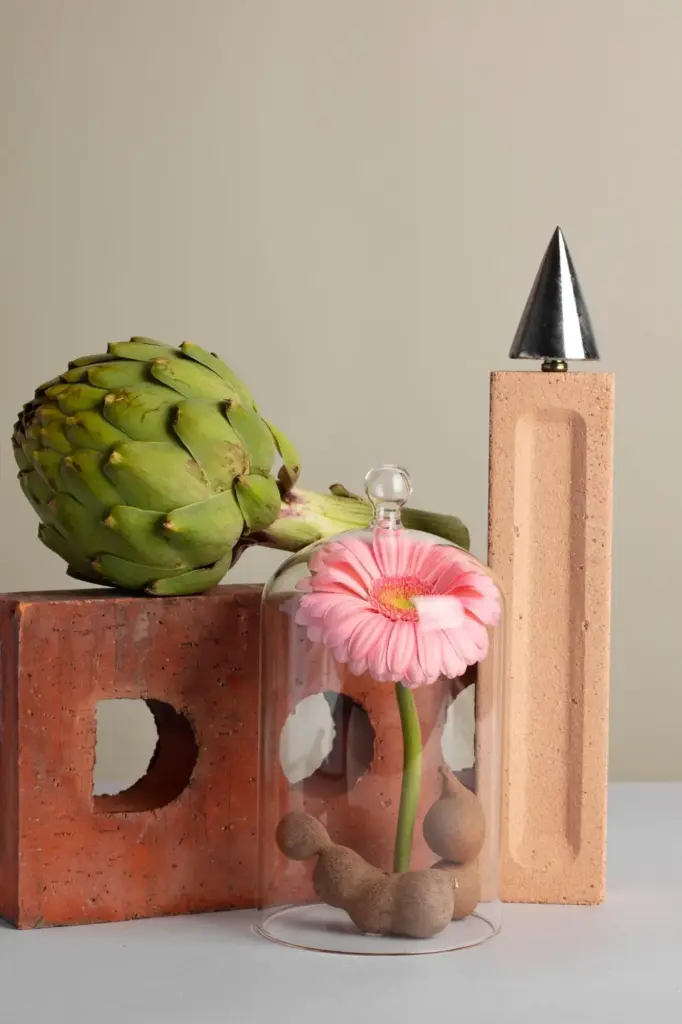
Join or Start a Repair Circle

Host a Thoughtful Swap

Share Your Plan and Subscribe
All Rights Reserved.